
 Trey Bruning
- +1(214) 797-7119 [email protected]
What Are Athletes Doing With Their Money That Most College Students Aren't
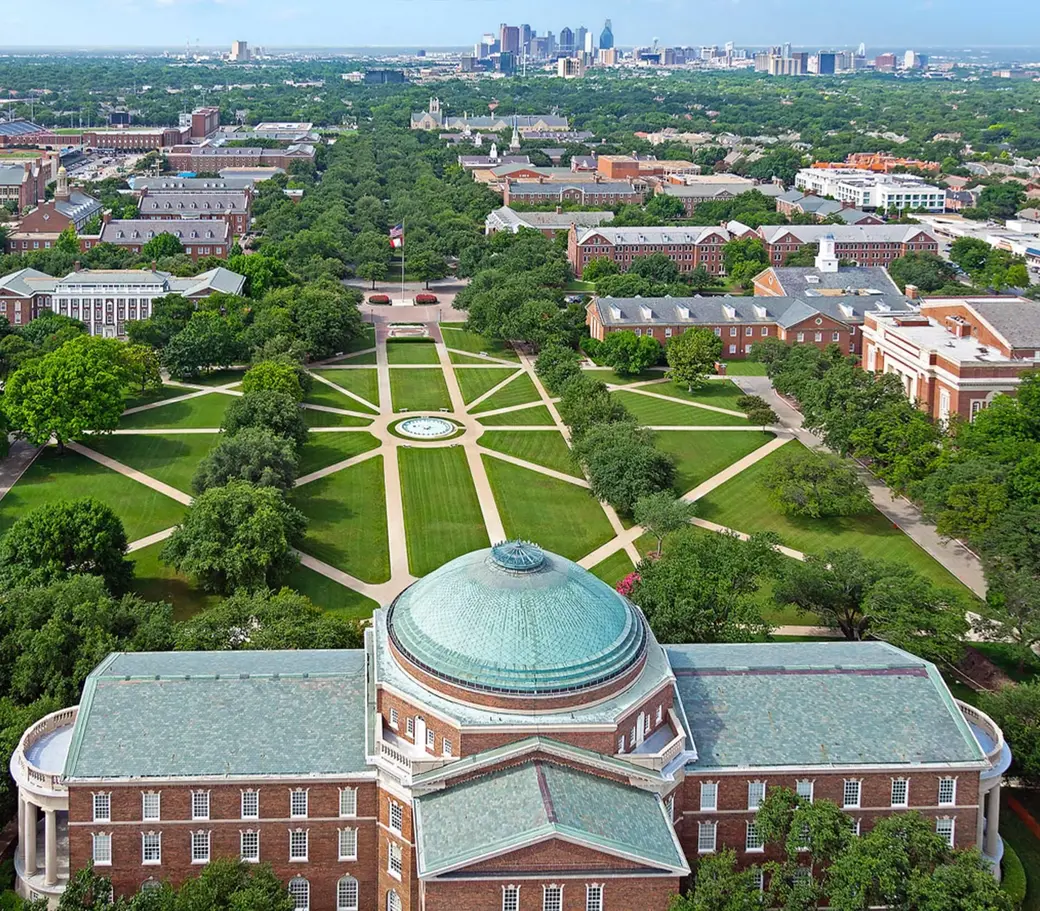
NIL Money Is Changing College Real Estate. Could SMU Students Be Next?
What if one of the biggest opportunities created by NIL has nothing to do with cars, clothes, sponsorships, or social media?
Something interesting is happening in college housing markets across the country.
Since Name, Image and Likeness rules opened new earning opportunities for college athletes, some student athletes have started thinking differently about what to do with that income.
And one of those decisions could have an impact long after the final whistle.
Real estate.
For Southern Methodist University students and families looking at housing near SMU, University Park, the Park Cities and surrounding Dallas neighborhoods, the national trend raises an interesting question:
Could the place you live during college also become part of your long term financial strategy?
The answer deserves a closer look.
A New Kind of College Homebuyer
A recent HousingWire report highlighted an emerging trend: student athletes with NIL income are entering the housing market at ages when homeownership traditionally would have been unusual.
HousingWire examined college markets before and after NIL rules took effect in 2021. Median list prices increased significantly in several of those markets, although NIL is only one of many factors that can influence housing prices. College Station, Texas, for example, experienced a 22% increase in median list price in the periods HousingWire compared.
But the price increases aren't the most interesting part of the story.
It's what some young athletes are doing with their newfound financial opportunities.
David Christensen, founder and strategic adviser of eXp Realty's Sports & Entertainment division, told HousingWire that many athletes he encounters are more financially thoughtful than people might assume. Some are considering homeownership as a potential way to build generational wealth and prepare for life beyond athletics.
That changes the conversation.
Instead of simply asking, "Where am I going to live this year?"
A student with the financial ability to purchase can ask:
"Where could this decision put me several years from now?"
The Story Behind the Headlines
HousingWire also spoke with Knoxville real estate broker Ryan Coleman, who has worked with University of Tennessee athletes, including former Tennessee quarterback and current Dallas Cowboys quarterback Joe Milton III.
The larger lesson isn't about any one athlete or university.
It is about thinking beyond the immediate moment.
College careers are short. Athletic careers can be even less predictable. NIL income can create opportunities, but having money and creating lasting value from money are two very different things.
That is why former New England Patriots defensive end and two time Super Bowl champion Jarvis Green has partnered with real estate professionals to help educate athletes about financial decisions and connect them with vetted resources, according to HousingWire.
There is a powerful idea buried inside that story:
The earlier you understand your options, the more choices you may have.
What Could This Mean for SMU Students?
SMU sits in a unique Dallas real estate environment.
Students considering off campus housing may encounter everything from condominiums and townhomes to duplexes, single family residences and rental properties in areas surrounding the university.
That creates a completely different question from simply comparing monthly rent.
Imagine a hypothetical SMU student planning to remain in Dallas for several years.
Instead of automatically signing another lease, that student and their family could evaluate the economics of renting versus purchasing.
What does ownership cost?
What are the property taxes?
What are the HOA dues, insurance costs and maintenance expenses?
How much cash is required?
How long does the student expect to own the property?
Could roommates be permitted under applicable laws, HOA rules, deed restrictions, lease requirements and other regulations?
What happens if the student graduates and moves?
What are the transaction costs when the property is eventually sold?
Suddenly, this isn't just a housing decision.
It's a math problem.
And math can reveal things that emotion sometimes misses.
Renting vs. Buying Near SMU: Don't Assume Either One Wins
There is an important distinction here.
Buying a home is not automatically smarter than renting.
For some SMU students, renting may make considerably more sense. It offers flexibility, requires less responsibility and can eliminate many of the expenses and risks associated with property ownership.
For others who have the financial resources, appropriate financing and a longer time horizon, purchasing could be worth evaluating.
The key word is evaluating.
Don't buy because somebody says real estate always goes up.
Don't rent simply because that's what college students traditionally do.
Run the numbers.
Understand the Dallas housing market.
Understand the specific property.
Then make an informed decision based on your circumstances.
The Hidden Variable: Time
Here's where the conversation gets interesting.
HousingWire reported that the average age of a first time homebuyer has risen to 40, making buyers in their early twenties increasingly unusual in today's market.
A student capable of responsibly purchasing real estate at 19, 20, 21 or 22 therefore has something that cannot be purchased later:
time.
That does not guarantee appreciation.
It does not guarantee profit.
And it certainly does not make every property a good investment.
But time gives a young owner the opportunity to learn how mortgages, equity, property taxes, maintenance, insurance, market cycles and real estate transactions actually work.
That knowledge can compound too.
Before You Spend NIL Money, Ask a Better Question
NIL has created opportunities that previous generations of college athletes simply didn't have.
The exciting part isn't necessarily how much someone earns.
It's what they decide to do with the opportunity.
A new car can be exciting.
A great apartment can be exciting.
So can having money in the bank.
But perhaps the better question is:
What decision could your future self be grateful you investigated today?
For some students, the answer may have nothing to do with real estate.
For others, exploring homeownership near SMU could open a conversation they never realized was available.
And that conversation should start long before you start scrolling through listings.
It should begin with your goals, timeline, finances and the numbers behind the decision.
Because sometimes the most valuable real estate decision isn't buying a property.
It's learning enough to recognize the right opportunity when you see it.
This article is for general educational and informational purposes only and is not financial, tax, legal or investment advice. Housing availability and real estate services are offered without regard to race, color, religion, sex, disability, familial status, national origin or any other characteristic protected by applicable federal, state or local law. Individual financial circumstances, lending requirements, property restrictions and market conditions vary. Consult appropriate financial, tax, legal and lending professionals when evaluating a real estate purchase.
Source: HousingWire, “NIL era brings new wealth — and new buyers — to college housing markets,” September 18, 2026.
Categories
Recent Posts


